Honolulu: Transforming Urban Living in Hawaii
Overcoming the Challenges of Modern City Life
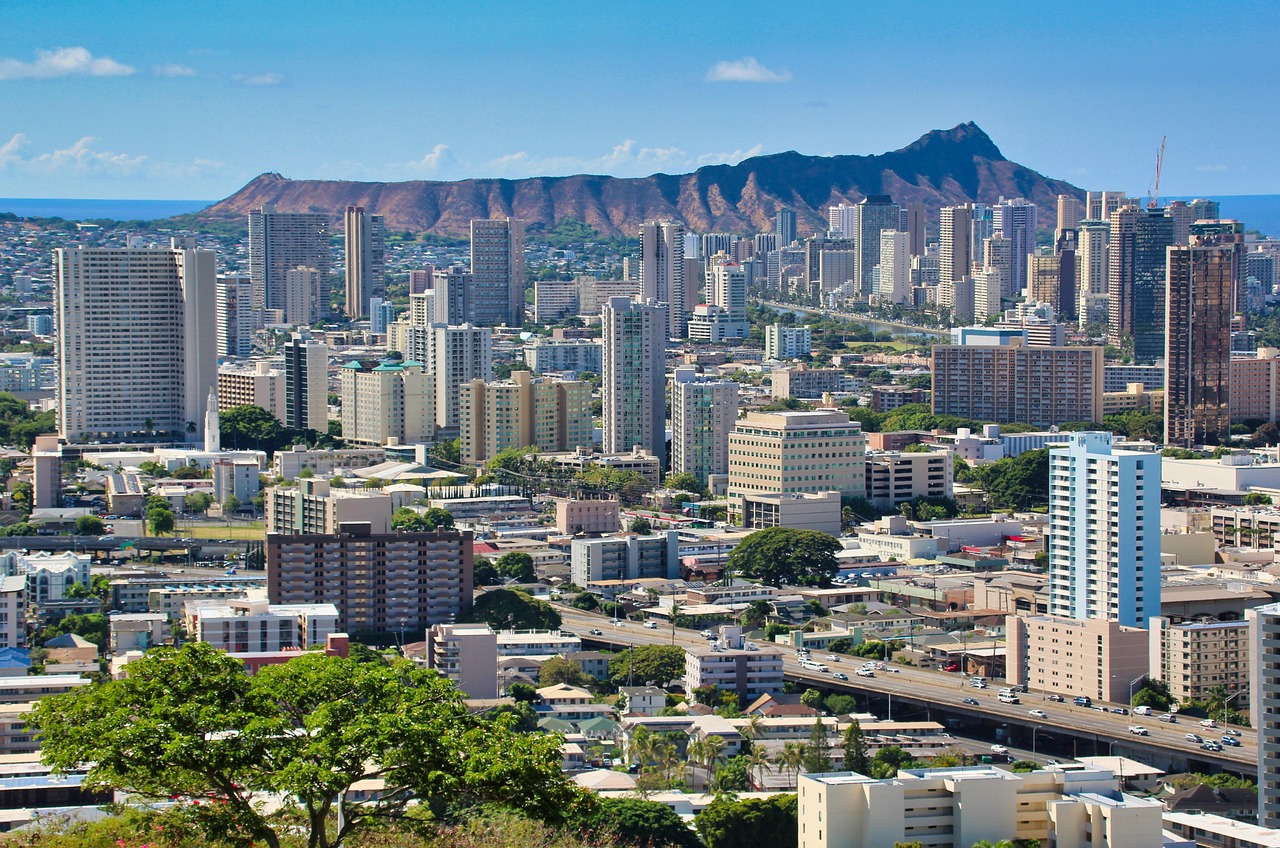
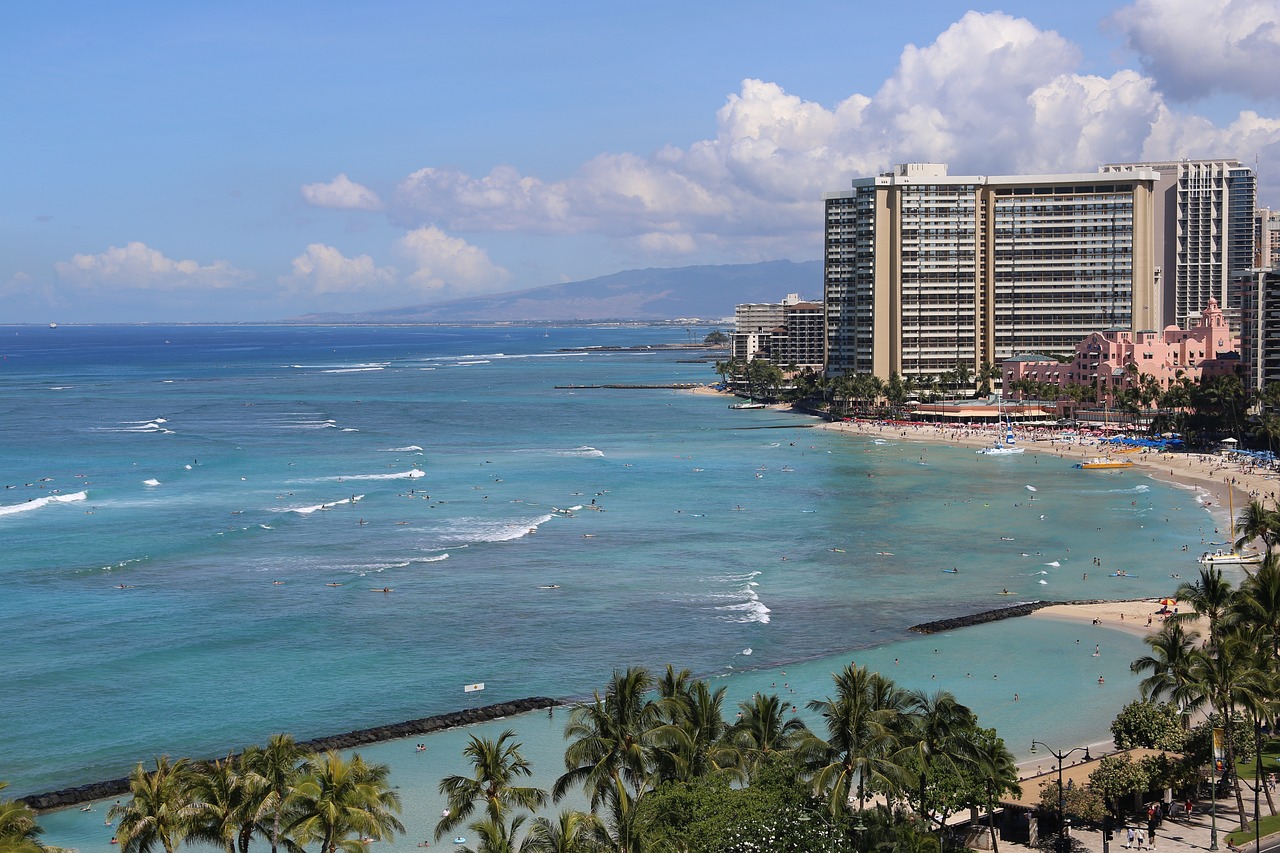
Honolulu is a vibrant city, renowned for its stunning natural beauty, rich culture, and unique lifestyle. However, like many growing urban centers, it grapples with modern challenges that impact the well-being and satisfaction of its residents. Our mission is to address these issues head-on, creating a more livable, efficient, and enjoyable Honolulu for all.
The Urban Dilemma: Pain Points Unveiled
-
Traffic Congestion:
- Daily commutes have become a significant source of stress, with roads often choked by vehicles.
- Example: A resident, Sarah, spends an average of 45 minutes in her car each way, leading to frustration and reduced productivity.
- Impact: Lengthy travel times contribute to environmental concerns and increase the risk of accidents.
-
Lack of Affordable Housing:
- The housing market is competitive, with limited options for affordable homes or apartments.
- Case Study: Newcomers to Honolulu often face challenges finding suitable accommodation within their budget, forcing them to live far from their workplaces.
- Consequence: Long commutes and higher living expenses strain residents' financial stability.
-
Overburdened Public Services:
- The city's infrastructure struggles to keep up with the growing population, leading to strained public services.
- Statistics: The average wait time for non-emergency medical appointments exceeds 2 weeks in Honolulu, according to a recent survey.
- Real-Life Scenario: An elderly resident, Mr. Lee, faces difficulties accessing timely healthcare, impacting his overall quality of life.
-
Environmental Concerns:
- Rapid urbanization poses challenges to the city's fragile ecosystem, with waste management and pollution being significant issues.
- Testimonial: Local business owner Maya expresses concern about the lack of recycling programs, leading to a buildup of waste in her neighborhood.
- Environmental Impact: Honolulu's unique biodiversity is at risk due to improper waste disposal and plastic pollution.
-
Limited Access to Green Spaces:
- The city's dense population results in limited access to parks and recreational areas.
- Effect: Residents, especially families with children, struggle to find suitable outdoor spaces for leisure and exercise.
Honolulu: The Solution for a Better Tomorrow
We present Honolulu—a comprehensive urban transformation initiative designed to tackle these pressing issues head-on. Through innovative strategies and community engagement, we aim to create a more sustainable, livable, and resilient city.
Traffic Management Revolution
-
Problem: Congested roads lead to increased stress, environmental harm, and safety risks.
-
Solution: Implementing smart traffic management systems using AI and real-time data.
- Step 1: Install intelligent transportation systems (ITS) at key intersections to monitor and regulate traffic flow.
- Step 2: Utilize predictive analytics to optimize signal timings based on real-time traffic data, reducing congestion.
- Example: After a 3-month trial, the new system in downtown Honolulu reduced travel times by an average of 15%.
-
Benefits: Improved traffic flow, reduced emissions, and enhanced road safety for all users.
Unlocking Affordable Housing Solutions
-
Challenge: Limited options for affordable housing create financial strain on residents.
-
Strategy:
- Partner with developers to introduce mixed-use, affordable housing projects in strategic locations.
- Offer incentives and tax breaks to encourage the construction of more budget-friendly units.
- Scenario: A new development near the city center provides 20% below market-rate apartments, catering to essential workers.
-
Results: Increased housing affordability, especially for newcomers and low-income families.
Enhancing Public Services for All
-
Issue: Overburdened public services struggle to meet the needs of a growing population.
-
Approach:
- Digitalization: Implement digital platforms for efficient appointment scheduling and record-keeping in healthcare and other services.
- Resource Allocation: Optimize emergency response times by deploying advanced dispatch systems.
- Testimonial: After adopting the new system, the city's medical center reports a 30% reduction in wait times for non-emergency cases.
-
Long-term Impact: Improved access to timely healthcare and other essential services, enhancing overall community well-being.
Embracing Sustainability and Conservation
-
Concern: Urbanization poses threats to Honolulu's unique ecosystem and biodiversity.
-
Solution Steps:
- Waste Management: Introduce comprehensive recycling programs and encourage composting to reduce landfill waste.
- Education Campaigns: Organize community events and workshops to raise awareness about sustainable practices.
- Environmental Initiatives: Collaborate with local organizations to restore and protect natural habitats, such as coral reefs and mangroves.
-
Success Story: A recent beach clean-up event engaged over 200 volunteers, removing nearly 5 tons of debris from Honolulu's coastline.
Creating Green Oases within the City
-
Problem: Limited access to green spaces hinders residents' enjoyment of nature and outdoor activities.
-
Solution:
- Park Development: Design and construct new urban parks with diverse landscapes, including playgrounds, walking paths, and community gardens.
- Community Engagement: Encourage neighborhood initiatives for local park upgrades, fostering a sense of ownership and pride.
- Example: The recently renovated Kapiolani Park now offers yoga classes, outdoor concerts, and sports facilities, attracting visitors from all over the city.
-
Benefits: Improved mental health, increased physical activity, and enhanced community bonding through shared green spaces.
Addressing Common Objections
Q: Won't these changes disrupt the city's current rhythm? A: While transformations are inevitable, our goal is to minimize disruptions by implementing solutions in phases. We prioritize community engagement and feedback to ensure changes reflect the needs and desires of Honolulu residents.
Q: How will these initiatives be funded? A: Funding comes from a combination of public-private partnerships, grants, and city investments. We believe in collaborative efforts to create sustainable, long-term solutions that benefit all stakeholders.
Q: What if the changes don't meet expectations? A: We are committed to measurable outcomes and continuous improvement. Regular progress reports and community feedback sessions ensure we remain accountable and responsive to any concerns.
Implementation Timeline and Next Steps
The journey towards a better Honolulu is an ongoing process, with various initiatives already underway:
- Year 1: Focus on traffic management system implementation and affordable housing projects.
- Year 2: Enhance digital services in healthcare and introduce comprehensive waste management programs.
- Year 3: Complete park development and launch community conservation campaigns.
We invite all residents to participate, offer suggestions, and be a part of this transformative journey. Together, we can shape a Honolulu that is vibrant, sustainable, and truly livable for generations to come.
Category: Honolulu